How to Choose a Commercial Exterior Cleaning Contractor in Florida
Hiring the wrong contractor for a commercial exterior is expensive, whether it is damage to the building, a liability claim, or a job that drags on and disrupts operations. If you manage a property, a facility, or a public building, here is how to tell a serious contractor from the rest.
Confirm licensing and real insurance
Start here. A commercial contractor should be licensed and carry both general liability and workers' compensation coverage, and should hand over certificates without hesitation. On a commercial site, that coverage is what protects you if a worker is injured on your property. No certificates, no further conversation.
Ask how they reach height safely
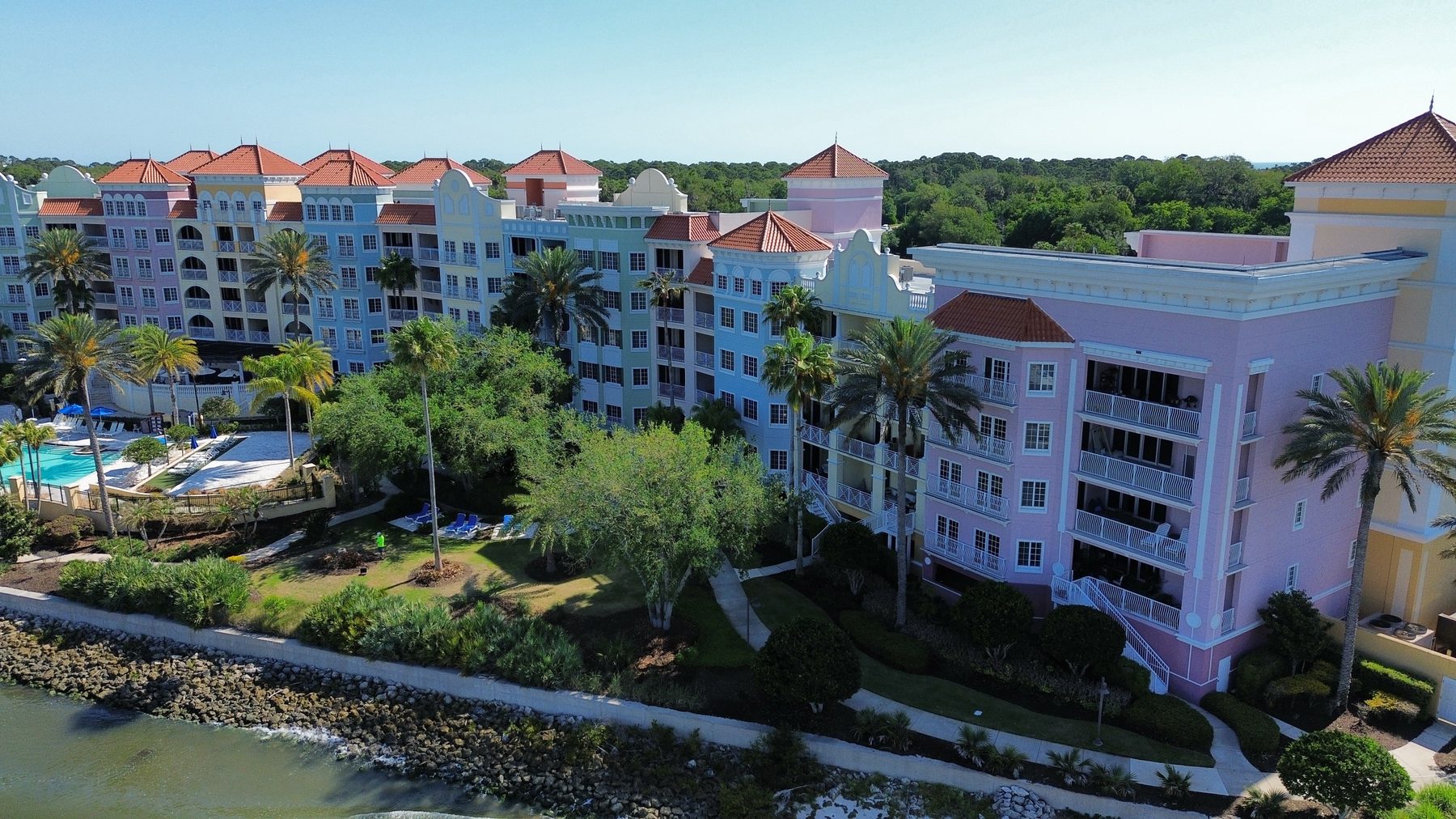
Most commercial buildings have surfaces a ladder cannot safely reach. Ask how the contractor handles them. Lifts and scaffolding are slow, costly, and disruptive. Drone soft wash reaches high surfaces, up to roughly 200 feet, from the air, without staging equipment or shutting down access. A contractor with real high-reach capability saves you time and disruption.
Check that methods match surfaces
High pressure belongs on hard flatwork, not on building facades, roofs, or finished surfaces, where it forces water behind cladding and causes damage you will not see for months. A professional uses soft wash on the building envelope and treats the full surface rather than spot-cleaning. Ask, and be wary of anyone who wants to pressure wash everything.
Require documentation and a clear scope
A serious commercial proposal defines the scope surface by surface, states the method, and documents pre-existing conditions with photos before work begins. That documentation protects both sides. Vague scope and no pre-condition record are warning signs.
Judge whether they can actually operate at scale
Commercial work is not a bigger version of a house wash. Ask for comparable projects: multi-building sites, institutional facilities, square footage handled, and whether they met the schedule. A contractor who has cleaned hospitals, schools, and government buildings at scale has proven they can plan, staff, and finish real commercial work.
Frequently asked questions.
What insurance should a commercial cleaning contractor carry?
General liability and workers' compensation, with certificates provided on request.
Do we need to close the building during cleaning?
Not with drone and ground methods. They avoid the lifts and scaffolding that force shutdowns and access closures.
How do we know a contractor can handle a large site?
Ask for comparable completed projects with scale and schedule. Proven institutional work is the best evidence.
Is drone cleaning appropriate for commercial buildings?
Yes. It is often the safest and most cost-effective way to clean high and hard to reach commercial surfaces.